
WeiseMedia
Back to Blog
Entwicklung & TechPublished: 2026-10-20·Updated: 2026-10-21·9 min read

WordPress vs. Next.js: Which Architecture Fits Your Business?

Alexander Weise, Founder of WeiseMedia

Alexander Weise

Founder & Lead Engineer at WeiseMedia

[ IN BRIEF // KEY TAKEAWAY ]

WordPress serves simple editorial blogs on tight budgets but fails on mobile speed, plugin vulnerabilities, and bespoke logic. Next.js is the definitive choice for ambitious corporate flagships, directories, and web apps requiring sub-second load times and 100% Core Web Vitals.

Definition: Next.js is the benchmark fullstack React framework offering server-side rendering and static pre-generation, whereas WordPress is a legacy monolithic PHP-based CMS originating in 2003.
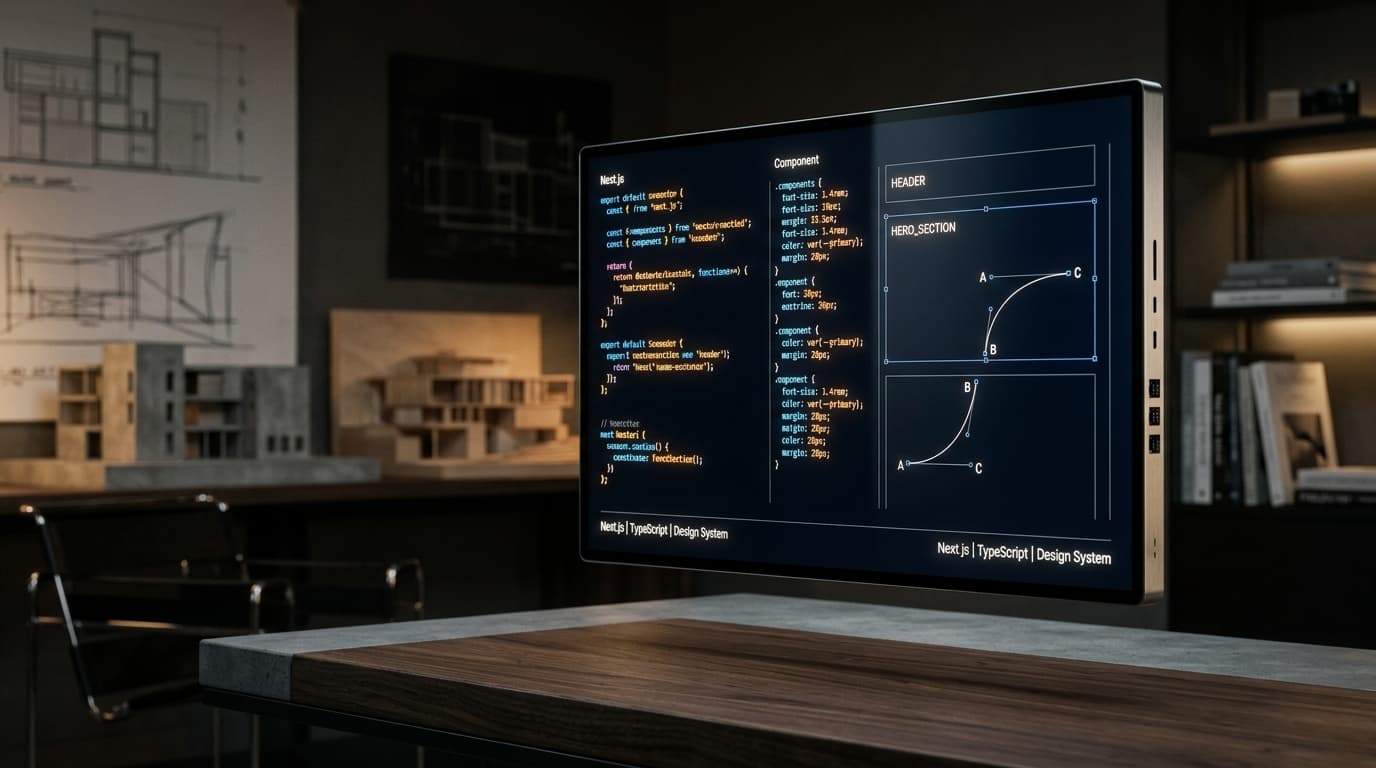
WordPress vs. Next.js: Which Architecture Fits Your Business?

What is the architectural difference between Next.js and WordPress?

WordPress executes dozens of dynamic SQL queries on every user visit, bloating browser runtimes with heavy page-builder scripts. Next.js pre-renders static HTML via Server Components, delivering instant page transitions without backend bottlenecks.

[ FEATURED CASE STUDY ]

ACR Assistenz UG

Digital corporate platform, CI & automated B2B client inquiry workflows

Explore Case
[ FAQ // FREQUENTLY ASKED QUESTIONS ]

Frequently Asked Questions

Yes. We integrate modern headless CMS solutions or retain WordPress as a decoupled headless editorial backend.

Alexander Weise, Founder of WeiseMedia

Alexander Weise

Founder & Lead Engineer at WeiseMedia

Alexander Weise is the founder of WeiseMedia on Mariendorfer Damm in Berlin. He engineers high-performance Next.js platforms, bespoke CRMs, and specialized digital flagships with an obsession for speed, compliance, and conversions.

[ FURTHER GUIDES ]

Related articles from our studio

News

Imprint Email: Why a Dead Mailbox Can Now Become Costly

The Berlin Higher Regional Court clarifies: The imprint email must accept messages. What the Amazon ruling means for business websites and compliance.

News

One Line Against AI Training: Google, Microsoft and OpenAI Plan a Shared Signal

Google, Microsoft and OpenAI plan to honor one shared robots.txt signal against AI training. What it does, when it applies and what to do now.

News

Accessibility: Four in Five Websites Have Barriers

A BR analysis finds barriers on around 80% of tested German websites. What the market surveillance authority is doing and what businesses should check.

BERLIN STUDIO · FREE CONSULTATION

Ready to engineer your next digital flagship?

Speak directly with principal Alexander Weise about your requirements or calculate your budget in our fixed-price tool.